What makes a great sports agent?
By Ambra Marcucci ·
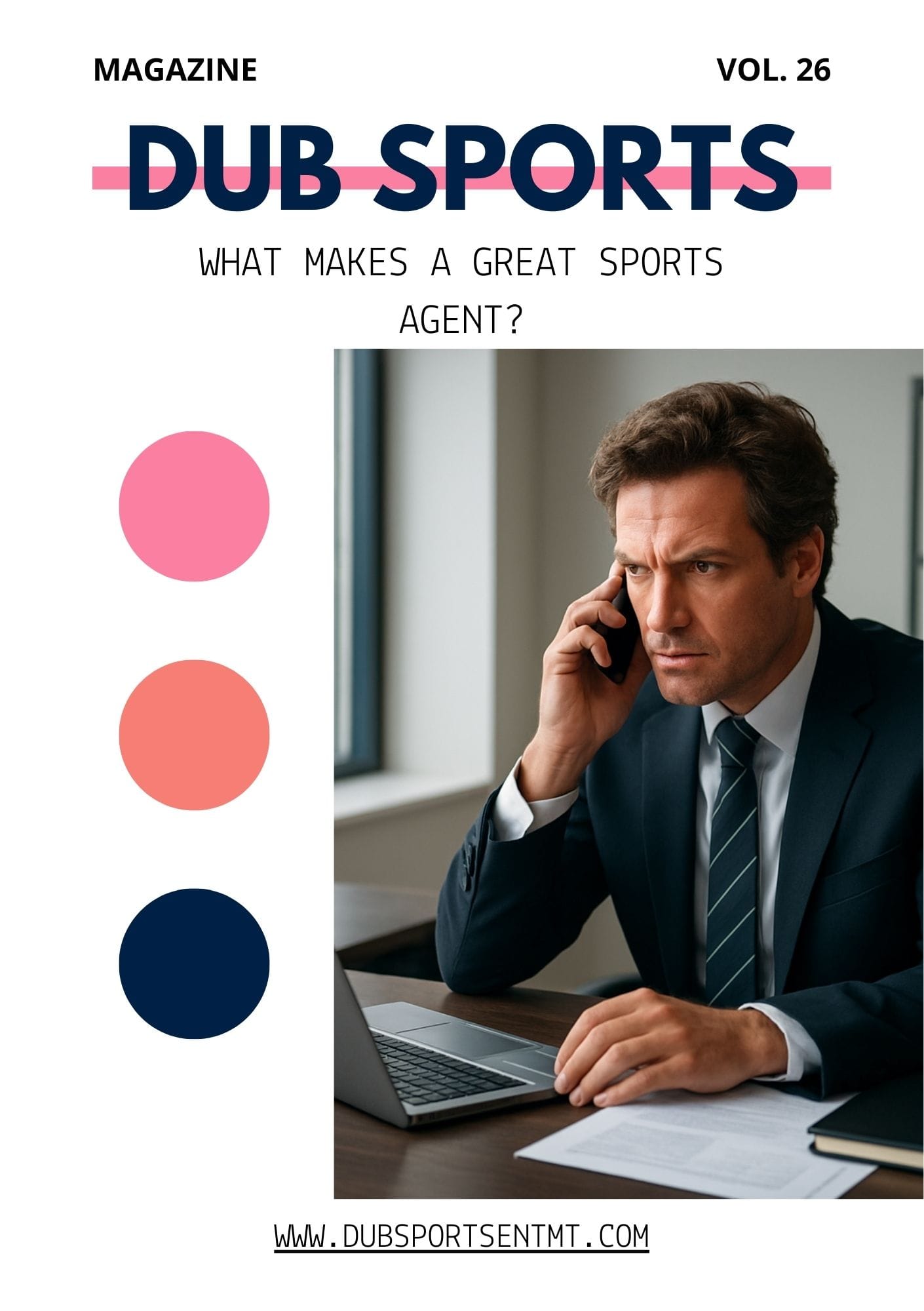
As a professional athlete, having a great sports agent is crucial for success. A sports agent is a licensed representative who acts on behalf of athletes to negotiate contracts, secure endorsement deals, protect their clients' reputations, and identify new career opportunities. In short, agents act as a bridge between athletes and clubs or brands, allowing you to focus solely on your performance.
But what makes a great sports agent? Not all agents are created equal. There are a few key sports agent qualities that every athlete should look for. Here's a look at five essential traits that define outstanding athlete representation.
1. Honesty and Trust
Above all, you need an honest agent. And along with honesty comes trust. Athletes sometimes do not realize that there are people out there trying to take advantage of them, including bad agents.
Many athletes make the mistake of relying on money to build trust. They choose instant gratification over the right person to represent them. Some agents will offer athletes large sums of money just to secure a signature. Some will even ask to be refunded if the collaboration doesn't work out. As unusual as it sounds, it does happen. That's why the NCAA has rules and guidelines governing agent and student-athlete relationships.
It's important that an agent is honest from the very beginning. This builds a trust-based athlete-agent relationship. A great agent is also honest about your realistic options while staying respectful. Only when agents are direct and transparent can athletes make the best decisions for their careers and lives.
Agents who make big promises and don't deliver won't last long. They should exude confidence, but setting realistic expectations is essential.
Don't focus on which agent can give you money now. Sign with the agent you can trust, one who always has your best interest in mind. Honesty and trust are two defining characteristics of a great sports agent, according to one of the greatest agents in the industry, Leigh Steinberg.
2. Business and Interpersonal Skills
When choosing a sports agent, business savvy matters. Sports agents need excellent planning and management skills to handle multiple clients and deals simultaneously. They should apply their knowledge of finance while keeping your short-term and long-term future in mind.
Proper market analysis and strong negotiating sports contracts skills are required to get the best deals. Effective communication and social intelligence are equally critical for maintaining healthy relationships with clients, clubs, scouts, brands, and all other related parties.
A socially intelligent agent will be more successful because they can build trust across the industry and close more contracts. Agents need to appear presentable, be approachable, and feel comfortable speaking with the public and media.
3. Action and Accessibility
Your agent should be accessible and available at all times. Athletes are busy. They should be focused on performance, not chasing down their representative. You need an agent who is actively working behind the scenes on your behalf without being prompted.
How much do you matter to your agent? They should not treat you as just a number. A great agent is proud to represent you and works hard to prove it.
Choosing the right sports agency can make all the difference in your career. While bigger agencies may seem like the obvious choice, they often don't devote enough time to each client. A smaller agency may be a wiser decision, since they can offer more personal attention and dedicated resources.
Don't settle for an agency that treats you like another number. Choose an agent who will work tirelessly to improve your career prospects and ensure your success.
4. Reputation
When selecting a sports agent, it's essential to consider their reputation within the industry. A strong reputation can open doors to significant opportunities with clubs and brands. A negative reputation, on the other hand, can limit your potential before you even step in the room.
Your agent doesn't need to be the most likable person in the industry, but they do need to be respected. General managers and CEOs should recognize your agent as credible and trustworthy. Respect is earned through consistent actions and professionalism, both for themselves and on behalf of their clients.
5. Passion for Sports
In order to succeed in this industry, passion is a must. Great agents are extremely passionate about all things sports. They stay up-to-date on the latest news, trends, and opportunities.
This is also one of the key differences between a sports agent and a sports lawyer. Sports agents are experts in sports contracts and marketing strategies. Lawyers are experts in specific areas of law. Passion for the game is what sets great agents apart from generic legal or business representation.
Top agents also have a passion for business, negotiations, and, most importantly, for their clients. The opportunity to improve athletes' lives while working in a beloved industry is a significant reward in itself. To read more about these differences read our blog, "Sports Agents, Lawyers, or Self-Representation: the pros and cons."
The top agents go above and beyond, inspiring their clients to become role models through charitable efforts and community involvement.
A Note on NIL and the Modern Agent's Role
The role of a sports agent continues to evolve. Today, great agents also help college athletes navigate Name, Image, and Likeness (NIL) opportunities, from endorsement deals and sponsorships to personal brand development. If you're a college athlete looking to maximize your NIL potential, having a knowledgeable agent or advisor by your side can make a meaningful difference in your early career trajectory.
Frequently Asked Questions
How do I know if a sports agent is trustworthy?
Look for an agent who is transparent from your very first conversation, one who sets realistic expectations rather than making big promises. A trustworthy agent will never ask you for upfront payments and will always prioritize your best interests over their commission.
What is the difference between a sports agent and a sports lawyer?
A sports agent specializes in athlete representation, including contract negotiation, endorsement deals, and career management, with a deep knowledge of the sports industry. A sports lawyer is trained in a specific area of law and may handle legal disputes or contract review, but they don't typically manage the broader career strategy that a dedicated agent provides.
Should I choose a big sports agency or a smaller firm?
Bigger agencies offer brand recognition and wide industry connections, but they may spread their attention thin across a large roster of clients. Smaller agencies often provide more personalized service and dedicated attention to each athlete. The right choice depends on your career stage and how much individual attention you need.
What business skills should I look for in an agent?
Strong negotiation skills, financial literacy, and market awareness are essential. You also want an agent with excellent communication skills and social intelligence, someone who can build and maintain relationships with clubs, brands, and other industry stakeholders on your behalf.
How important is an agent's reputation in the industry?
Reputation is critically important. An agent with a respected track record can open doors that would otherwise remain closed with clubs, general managers, and top brands. An agent with a poor reputation can actually harm your career prospects. Always research an agent's history and ask for references before signing.
Success as a sports agent requires hard work, but the payoff is significant. The top agents go above and beyond. From inspiring their clients to become role models through charitable efforts and supporting foundations. At Dub Sports & Entertainment, we are committed to being in your corner every step of the way. Click to learn more about What to look for in a sports agent? or Contact Us today if you are ready to get serious about your athletic career.