How to Find a Sports Agent: A Complete Guide for Athletes
How to Find a Sports Agent: A Complete Guide for Athletes
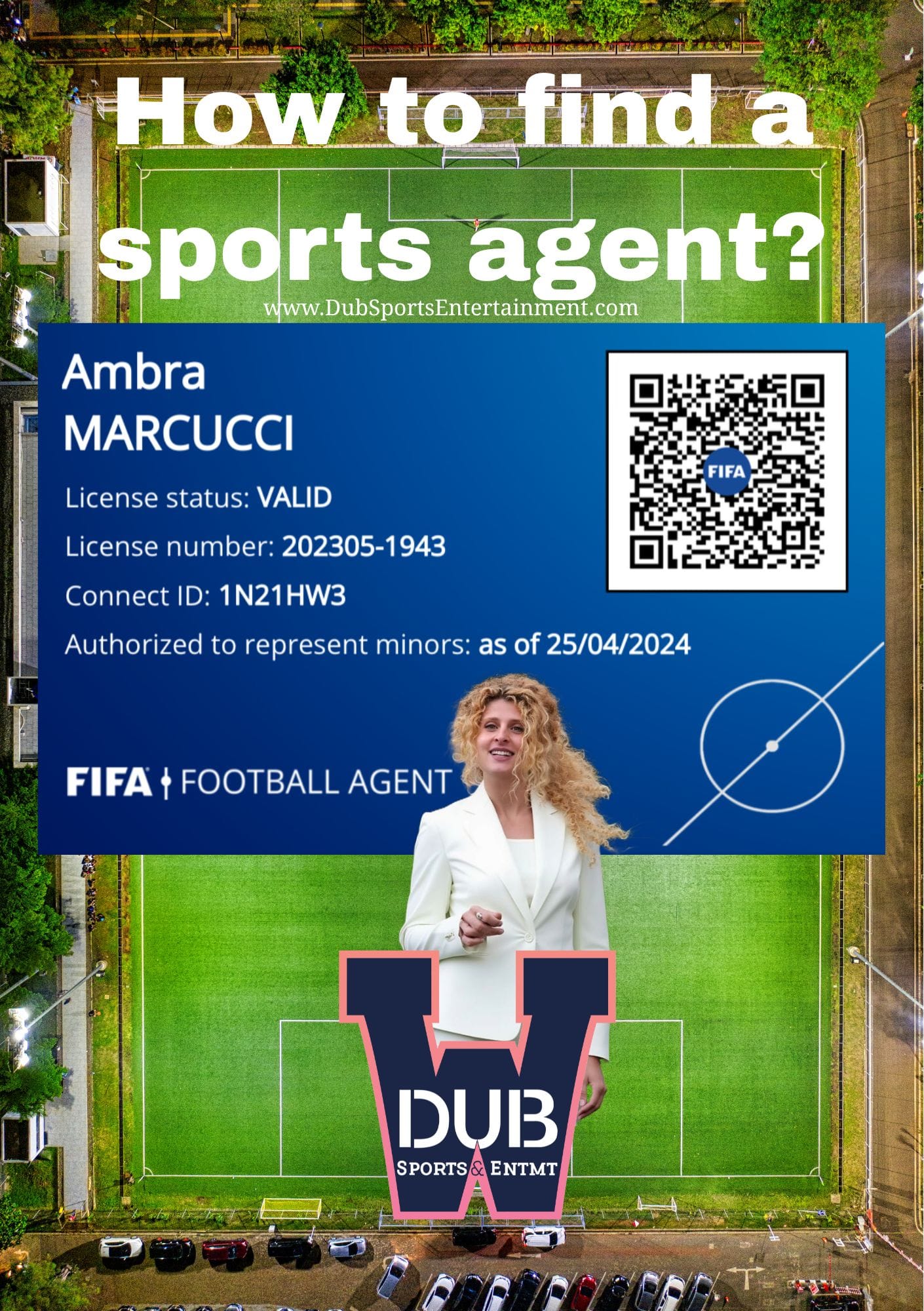
Finding the right sports agent starts with identifying certified professionals through word of mouth, university compliance offices, and official league agent directories. Once you’ve built a list of candidates, conduct thorough background checks and interview multiple agents before making a decision. The right agent is one who is qualified, transparent, and genuinely invested in your long-term success.
Why Professional Representation Matters
The primary role of a sports agent is to represent and assist athletes throughout their careers. A good agent helps secure the right contracts and endorsement deals, but their value extends far beyond that. Agents sacrifice personal time to fill whatever role is missing from a client’s life, handling negotiations, managing relationships, and navigating the business side of sports so athletes can stay focused on their performance.
Whether you’re an athlete pursuing team tryouts or a coach ready to lead at a new level, a certified sports agent may have exactly the contacts and expertise you need. But not all agents are created equal, and finding one with your best interests truly in mind takes some deliberate effort.
Pro Tip:
Sports agents are typically compensated through commission, a percentage of contracts and deals they negotiate on your behalf. Commission rates vary by sport, league, and contract type, but generally range from 3% to 10% for playing contracts and up to 15% to 25% for endorsement deals. Always clarify the fee structure before signing any representation agreement.
4 Effective Ways to Find a Certified Sports Agent
Leverage Word of Mouth and Peer Networks
The most reliable way to find a trustworthy agent is through people you already know. Fellow athletes who have had positive experiences with their representation are usually happy to make referrals. Ask around within your sport, your team, and your broader athletic network. A strong personal recommendation carries far more weight than a cold online search.
Use University and School Compliance Resources
If you’re still in school, your institution is one of your most valuable resources. Most colleges maintain an agent directory and require agents to register with their Compliance office before interacting with student-athletes. This process exists to protect you. It confirms that any agent you meet through official channels is qualified and in good standing with their professional organization. Contact your athletic department or compliance office and ask what resources they have available.
Search Official League Agent Directories
Major professional sports leagues maintain certified agent databases through their players’ associations. These directories are designed to help athletes search for and research agents before reaching out. You can learn about an agent’s credentials, sports, and history directly through these official resources.
Examples of official league agent directories include:
Pro Tip:
Never do business with agents who are not certified by the relevant players’ association or governing body. That said, appearing in a league database does not automatically make someone the right fit for you, it is just the starting point.
Conduct Strategic Outreach
Once you have a short list of potential agents, don’t wait for them to come to you. Reach out directly via professional channels: a business email, a LinkedIn message, or a formal letter of inquiry. Be clear about who you are, where you are in your career, and what you’re looking for in representation. Thoughtful, professional outreach signals to agents that you take your career seriously.
How to Verify and Interview a Sports Agent
Checking Certification and Background
Before meeting with any agent, do your homework. Look up their name, agency, and professional history. Verify their certification with the appropriate players’ association or state athletic agent registry. Check for a professional website, business email, and active LinkedIn profile. A legitimate agent will have no issue with you conducting due diligence. In fact, they’ll expect it.
If anything feels unclear or incomplete during your research, trust that instinct. A credible agent maintains a transparent professional presence.
How to Interview and Evaluate Potential Sports Agents
Don’t commit to the first agent you speak with. Schedule calls or meetings with multiple candidates and treat each conversation as an interview. Some essential questions to ask:
Don’t commit to the first agent you speak with. Schedule calls or meetings with multiple candidates and treat each conversation as an interview. Some essential questions to ask:
What leagues or governing bodies are you certified with?
How many clients do you currently represent, and in what sports?
What is your commission structure, and are there any additional fees?
Can you provide references from current or former clients?
What does your communication process look like once we’re working together?
How do you approach contract negotiations and endorsement deals?
What’s your experience representing athletes at my level and in my sport?
You’re looking for someone honest, reliable, and genuinely invested in your success. This is the person who will represent your name and your career. Take the time to get to know them both professionally and personally.
Red Flags to Watch for When Choosing an Agent
Not every agent operates with integrity. Watch for these warning signs:
Requests upfront payment or retainer fees before any contract is signed
Pressures you to sign quickly without allowing time to review documents
Offers cash, gifts, or other incentives to secure your signature
Cannot verify certification with any recognized league or governing body
Has no professional website, business email, or verifiable track record
Avoids or deflects straightforward questions about their background or clients
Makes promises that seem unrealistic or too good to be true
If an agent engages in any of these behaviors, walk away. The right agent will welcome your scrutiny, not resist it.
Frequently Asked Questions
How do I know if a sports agent is certified?
Check the agent’s name against the official certified agent database of the relevant players’ association (e.g., NFLPA, NBPA, MLBPA). You can also verify their standing through your school’s compliance office or your state’s athletic agent registry if applicable.
How much do sports agents charge?
Commission rates vary by sport and contract type. Playing contract commissions typically range from 3% to 10%, while endorsement deal commissions can run between 15% and 25%. Always ask for a written breakdown of fees before signing any agreement.
Should I sign with the first agent who shows interest in me?
No. It’s strongly recommended to speak with multiple agents before making a decision. Compare their experience, client roster, communication style, and fee structure. Signing too quickly, especially with someone who pressured you, is one of the most common mistakes athletes make.
What’s the difference between a sports agent and a sports attorney?
A sports agent primarily focuses on securing contracts and endorsement opportunities, usually on a commission basis. A sports attorney provides legal counsel and contract review, typically billed hourly or at a flat rate. Some professionals serve in both roles.
Finding the right sports agent takes research, patience, and the right questions. When you’re ready to go deeper, read our guide on ‘What to Look for in a Sports Agent’ for a detailed look at what separates a good agent from a great one. At Dub Sports & Entertainment, we believe every athlete deserves qualified, trustworthy representation, and we’re here to help you find it.